
You think about Buy Property in Dubai as a Foreigner but not sure where to start?
Here’s a clear, simple roadmap that walks you through the entire process—from choosing the right area to getting your title deed and connecting utilities.
Can you Buy Property in Dubai as a Foreigners ?
Yes, foreigners can buy property in Dubai. However, you can only buy in specific zones:
- Freehold Areas
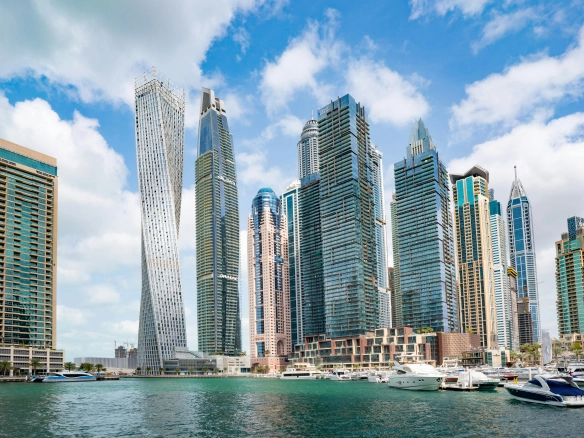
These are areas where foreigners can own the property outright, with full ownership of the unit and the land (where applicable). Popular examples include Dubai Marina, Downtown Dubai, Business Bay, Palm Jumeirah, JVC, and many more. - Leasehold Areas
In some locations, you can only acquire leasehold rights—usually up to 99 years. You don’t own the land, but you have long-term rights to use the property.
Before anything else, you need to confirm whether the property you’re considering is in a freehold or leasehold area.
Step-by-Step: How to Buy Property in Dubai as a Foreigner
Step 1 – Check Your Eligibility & Area Type
- Confirm that the property is in a freehold or leasehold area open to foreign buyers.
- Make sure your passport and identification documents are valid.
- You don’t need to be a UAE resident to buy property, but residency may affect your mortgage options and loan-to-value ratio.
Step 2 – Choose the Right Property
You usually have two main options:
- Off-Plan Properties
- Still under construction
- Payment via installments linked to construction milestones
- Often lower entry price and attractive payment plans
- Ready Properties
- Completed and ready to move in or rent out
- Rental income can start immediately
- You see exactly what you’re buying
When choosing, think about:
- Location (access to main roads, metro, schools, hospitals, malls)
- Amenities (pool, gym, parks, waterfront, etc.)
- Future development plans in the area
- Potential rental yield and long-term capital appreciation
- Whether it suits your goal: investment, holiday home, or primary residence
Step 3 – Hire a Registered Real Estate Agent
It’s highly recommended to work with a RERA-registered real estate agent who:
- Understands Dubai’s property laws and processes
- Helps you compare different communities and developers
- Negotiates on your behalf
- Guides you with paperwork and timelines
This is especially helpful if you are buying from abroad and not physically present in Dubai.
Step 4 – Inspect the Property or Developer
Before you commit:
- For ready properties:
- Visit the unit if possible
- Check the building quality, finishing, view, noise, and common areas
- Ask about service charges
- For off-plan properties:
- Visit the developer’s show home
- Review their previous completed projects
- Check the developer’s reputation and delivery history
Seeing things in person (or via virtual tour) gives you a much clearer picture before making a big financial decision.
Step 5 – Pay the Reservation Deposit & Sign MOU
Once you find a property you like:
- You pay a reservation deposit, typically around 5–10% of the property price.
- You and the seller sign an MOU (Memorandum of Understanding) or Form F.
The MOU outlines:
- Agreed sale price
- Payment terms
- Timeline for transfer
- Responsibilities of both buyer and seller
This step reserves the property for you under agreed conditions.
Step 6 – Secure Your Financing (Mortgage)
If you’re not buying in cash, you’ll need a mortgage:
- Non-residents can still obtain a mortgage from Dubai banks, but:
- The loan-to-value (LTV) ratio may be lower for non-residents than for UAE residents.
- Be prepared with:
- Proof of income (salary certificates, employment contract)
- Bank statements
- Tax returns (depending on your country)
- Passport and ID copies
The bank will give you a pre-approval, which strengthens your position and speeds up the process.
Step 7 – Property Valuation by the Bank
If you’re taking a mortgage, the bank will usually:
- Arrange an independent property valuation
- Confirm the market value of the property
- Use this valuation to determine how much they’re willing to lend
This is a normal step to protect both the bank and you from overpaying.
Step 8 – Sales & Purchase Agreement (SPA)
Next, a Sales & Purchase Agreement (SPA) is prepared. This document includes:
- Final purchase price
- Payment plan and due dates
- Handover conditions
- Penalties for delays or breaches
- Any special terms agreed between buyer and seller
Read this carefully (or have a legal advisor review it) before signing.
Step 9 – No Objection Certificate (NOC)
Before the property can be transferred:
- The seller must obtain a No Objection Certificate (NOC) from the developer.
- The NOC confirms there are:
- No outstanding service charges
- No disputes or unpaid dues related to the property
Without this NOC, the transfer at Dubai Land Department cannot proceed.
Step 10 – Transfer at Dubai Land Department (DLD)
You’re now close to the finish line.
At this stage:
- Buyer and seller (or their authorized representatives) meet at the Dubai Land Department or a DLD-approved trustee office.
- The buyer pays:
- The remaining balance of the purchase price
- Relevant fees and charges
- The DLD processes the transaction and issues a Title Deed in the buyer’s name.
From this moment, you are the legal owner of the property.
Step 11 – Pay Registration Fees & Admin Costs
In addition to the purchase price, budget for:
- 4% DLD Registration Fee (usually based on the full property value)
- Admin/trustee fees
- Agency commission (if applicable—often around 2%)
- Mortgage registration fee (if you are financing)
Your agent or broker should give you a clear breakdown of all costs before you commit.
Step 12 – Connect Utilities (DEWA & Others)
Once the property is in your name, it’s time to make it livable:
- Register with DEWA (Dubai Electricity and Water Authority) for electricity and water
- Arrange cooling (if district cooling applies)
- Set up internet and TV with a local provider
After this, your property is ready for you or your tenants to move in.
Step 13 – Property Management (Optional but Recommended)
If your goal is investment or you live abroad:
- Consider hiring a property management company or having your real estate agent manage it.
- They can:
- Market the property for rent
- Screen tenants
- Collect rent
- Handle maintenance and tenant issues
This helps keep your investment hands-off and hassle-free.
Important Reminder
Property laws, mortgage rules, and government fees in Dubai can change over time.
Before making any final decision:
- Consult a local real estate expert
- Consider speaking with a legal advisor familiar with UAE property laws
- Always request updated information on fees and regulations
Thinking of buying a property in Dubai?
Whether you are a first-time foreign investor or expanding your portfolio, we can guide you through every step—from selecting the right community to getting your title deed.
❓ Frequently Asked Questions (FAQs)
1. Can foreigners buy property in Dubai?
Yes — foreigners can buy property in Dubai, but only in designated freehold areas where non-UAE nationals have full ownership rights. In other areas, foreigners may be able to buy leasehold rights for up to 99 years.
2. Do I need to be a UAE resident to buy property in Dubai?
No, you do not need UAE residency to buy property in Dubai. You only need a valid passport and identification. However, residency status may affect your ability to get a mortgage and the loan-to-value (LTV) you can receive.
3. What are the steps to buying property in Dubai as a foreigner?
The typical steps include:
- Confirm property eligibility and area type (freehold/leasehold).
- Choose your property (ready or off-plan).
- Hire a RERA-registered real estate agent.
- Inspect the property or developer.
- Pay reservation deposit & sign the MOU.
- Secure financing (if needed).
- Finalize the Sales & Purchase Agreement (SPA).
- Obtain a No Objection Certificate (NOC).
- Transfer ownership at the Dubai Land Department (DLD).
- Pay registration fees and connect utilities.
4. What documents are needed to purchase property in Dubai?
Foreign buyers typically need:
- A valid passport
- Proof of funds or mortgage documents (if financing)
- Signed Memorandum of Understanding (MOU)
- Sale & Purchase Agreement (SPA)
- Dubai Land Department documentation for registration
5. What fees should I expect when buying property in Dubai?
Common fees include:
- Dubai Land Department (DLD) registration/transfer fee (about 4% of the property value)
- Real estate agent commission (typically around 2%)
- Trustee and admin fees
- Mortgage registration fee (if applicable)
- Developer NOC fee for resale properties
6. Can I get a mortgage as a foreign buyer?
Yes, foreigners can get mortgages in Dubai. Non-residents often have lower LTV ratios compared to residents. Banks may require proof of income, employment details, and previous bank statements for approval.
7. What types of properties can foreigners purchase?
Foreigners can buy:
- Freehold properties (full ownership of the property and land)
- Off-plan properties (under construction with staggered payment plans)
- Leasehold properties with long-term usage rights (up to 99 years)
GET IN TOUCH
Exclusive off-plan offers & free consultation.